
New York no-fault (auto accident)
No-fault DME in New York, explained
How no-fault handles durable medical equipment after a car accident, including the insurer’s pay-or-deny deadline, assignment of benefits, and who may receive payment.
The short answer
Does New York no-fault cover DME after a car accident?
New York no-fault can cover durable medical equipment prescribed after an eligible auto accident. A signed assignment of benefits may let the insurer pay the assignee directly. It changes the payment route; it does not establish coverage or guarantee payment or no upfront cost. A prescription and complete claim documentation are required.
Does New York no-fault cover medical equipment?
Yes — durable medical equipment prescribed for injuries from a covered auto accident is part of the medical benefits under New York’s no-fault rules (Regulation 68, found at 11 NYCRR Part 65). That spans the recovery equipment an auto injury calls for — from back braces and CPM rentals to cold therapy units, compression devices, and ankle-foot supports. A prescription from your treating provider is always required before equipment is supplied.
No-fault DME is priced using the same fee schedules New York uses for workers’ comp: under the no-fault rules (11 NYCRR 65-3.16 and 68.1), medical expenses are measured against those adopted schedules. That is what sets the reimbursement the insurer pays the supplier.
This is general information about the New York process, not legal advice.
- Reg 68
New York no-fault rules, 11 NYCRR Part 65
- 30 days
Pay-or-deny deadline after complete proof of claim
- AOB
Assignment changes who may claim and receive payment
How no-fault DME payment works
The facts that shape a New York no-fault DME claim, and how CityDME keeps a referral moving.
- 30 days
Pay-or-deny deadline after complete proof of claim
- Reg 68
New York no-fault rules (11 NYCRR Part 65)
- AOB
Assignment can route payment to the assignee
- NYC + LI
Brooklyn, Queens, Manhattan, the Bronx, Staten Island, and Long Island
How long does a no-fault insurer have to pay or deny a claim?
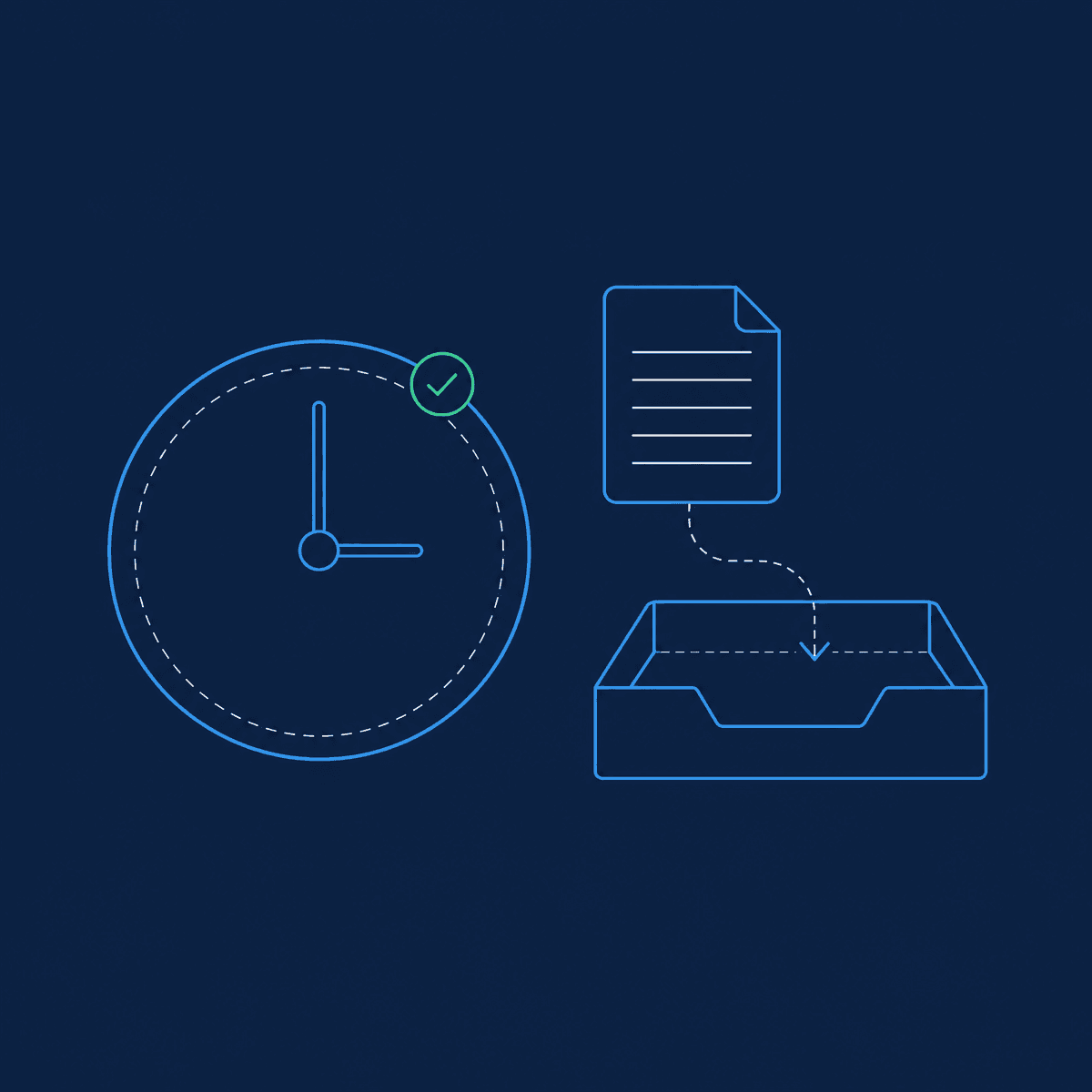
Under 11 NYCRR 65-3.8, the insurer must pay or deny a claim, in whole or in part, within 30 calendar days after it receives proof of claim, including requested verification. The rule sets a decision deadline; it does not guarantee payment.
Proof of claim is complete
The insurer has the proof of claim, including relevant information requested through the verification process.
The insurer reviews the claim
Verification requests and follow-ups must use the regulatory process. Once proof of claim is complete, the decision deadline applies.
The insurer pays or denies within 30 days
The insurer must pay or deny the claim in whole or in part. If it denies only part, it must pay the undisputed portion.
Will I be billed? Assignment of benefits
An assignment of benefits (AOB) assigns the patient’s rights and remedies to payment for covered health services to the assignee. That allows the insurer to pay the assignee directly instead of routing payment through the patient.
An AOB changes the payment route. It does not by itself establish coverage, medical necessity, or claim eligibility, and it does not guarantee insurer payment or no upfront cost. The prescribed NF-AOB also contains limits tied to lack of coverage or policy-condition violations.
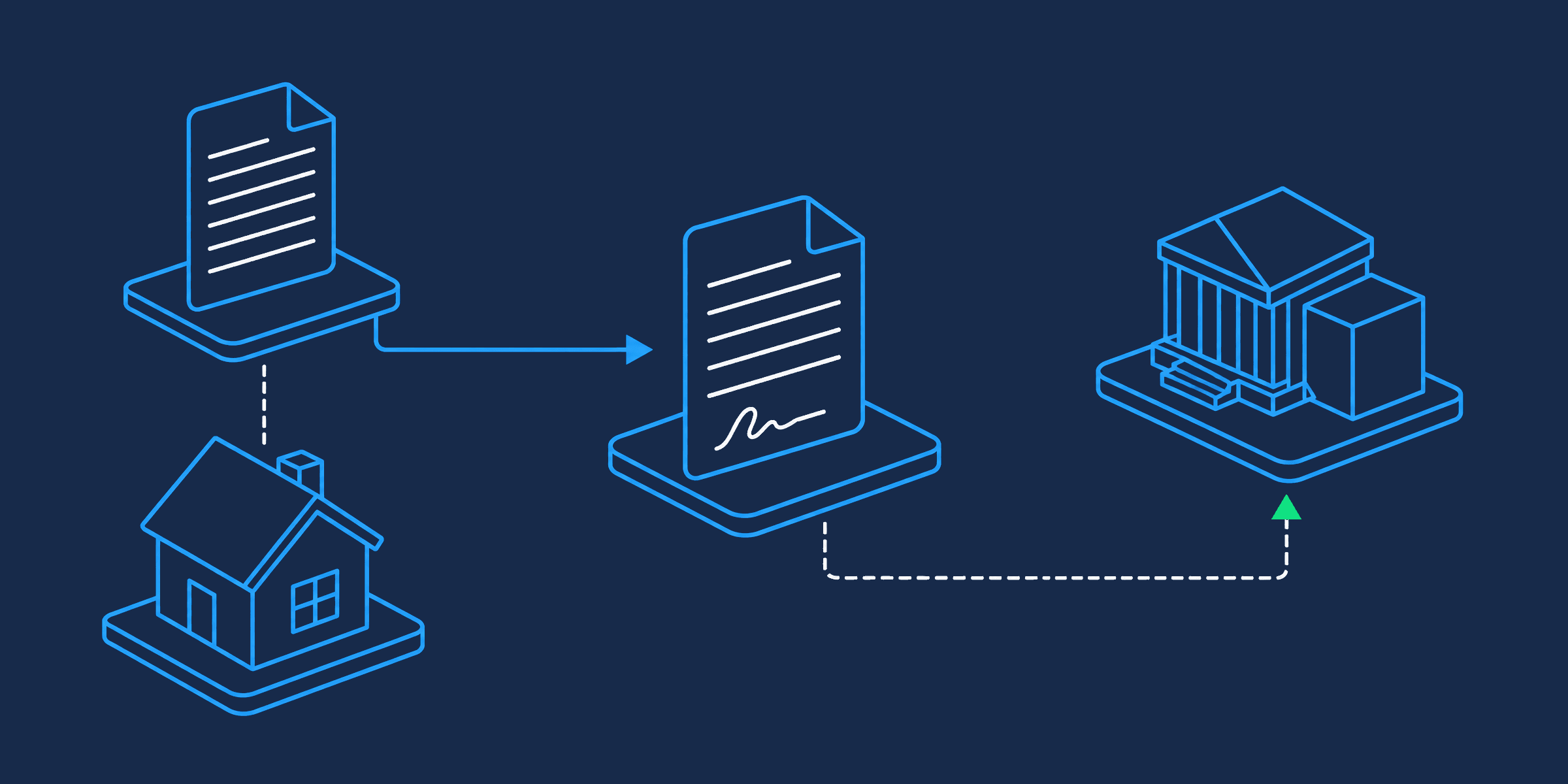
An assignment may route payment to the assignee; coverage and payment still depend on the claim.
What if the same accident is also a workers’ comp claim?
Sometimes one accident triggers both no-fault and workers’ compensation — for example, a crash while you were working. When that happens, the paths don’t stack; one carrier owns the medical expenses.
When the accident is also a workers’ comp claim
New York’s no-fault rules (11 NYCRR 65-3.16) make the workers’ comp carrier the source of medical-expense reimbursement instead of the no-fault insurer.
What we confirm first
We help confirm which claim path applies before equipment is supplied, so the right carrier is billed the first time.
Send a no-fault DME referral
Patients, attorneys, treating providers, and adjusters can use the online form. Providers may also fax referrals to (973) 846-7077 or email referral@citydme.com. CityDME reviews submitted referrals the next business day. Provider referrals are not accepted by phone.